

Peloton’s updated search feature is starting to roll out across the Peloton app on iOS and Android.
Prior to this change, the only way to find other members on the Peloton platform was to know, and search for their username (also known as their leaderboard name). This meant that unless you knew someone’s exact username, or found them on the leaderboard during a live class, you wouldn’t be able to connect with & follow them.
As we first reported last week, Peloton is changing this with an update to their search feature. Now, in addition to searching by someone’s username, you are also able to search by someone’s real name to find them. In addition, if another Peloton user has the phone number or email address you used for your Peloton account stored as a contact on their phone, they’ll be able to find your account through the new Contact syncing feature.
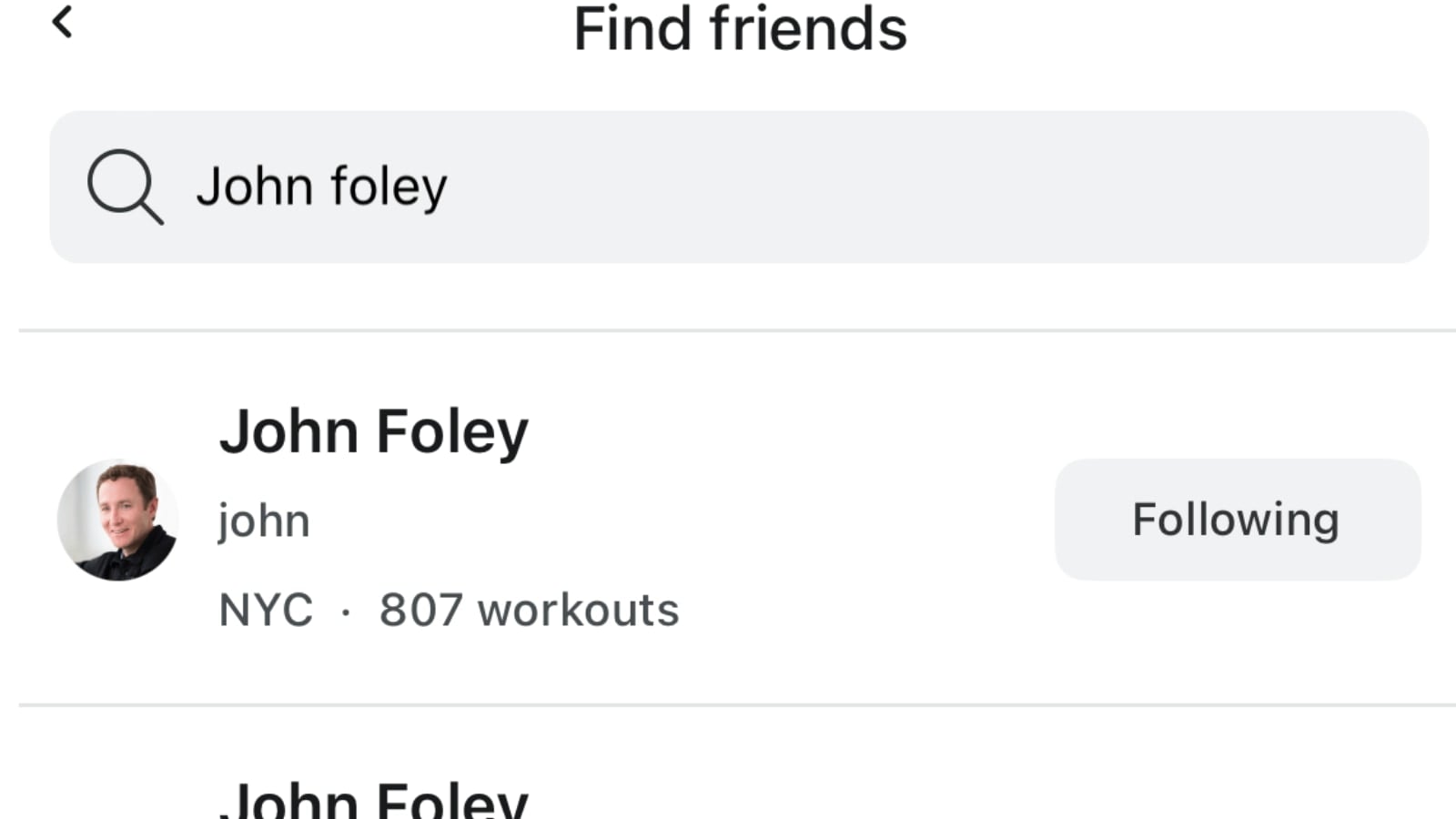
However, in their implementation of this, Peloton is exposing the personal information of millions of their members by default to the other millions of Peloton members on the platform. Every Peloton member who has previously signed up will have their real names now visible in searches by default, and can now be found by their contacts by default – tying their personal information publicly to their leaderboard name.
Note that while real names are now visible and shown in search, your phone & email address are not – they are simply being used behind the scenes to show you as a known friend, but unlike your real name, Peloton is not showing your email or phone number as visible data in search results.
However, now if you search for someone by their username – even if you didn’t know their real name, their real name will be shown above their leaderboard name in the search results by default.
Peloton did email their entire member base last week notifying them of this change, and giving them a few days notice to adjust their privacy settings. In that email, in the first paragraph, Peloton stated in bold that “Names will now be viewable across Peloton—review your name today to decide how you will appear.” In other words – Peloton made this feature opt-out rather than opt-in.
The email then goes on to state:
Don’t want to be discoverable by name or contact info? Update to the latest version of the Peloton App and review your privacy settings to control how you’ll appear to others.
In addition, Peloton is also showing a popup alert in the Peloton app as the feature goes live, notifying them of the change.
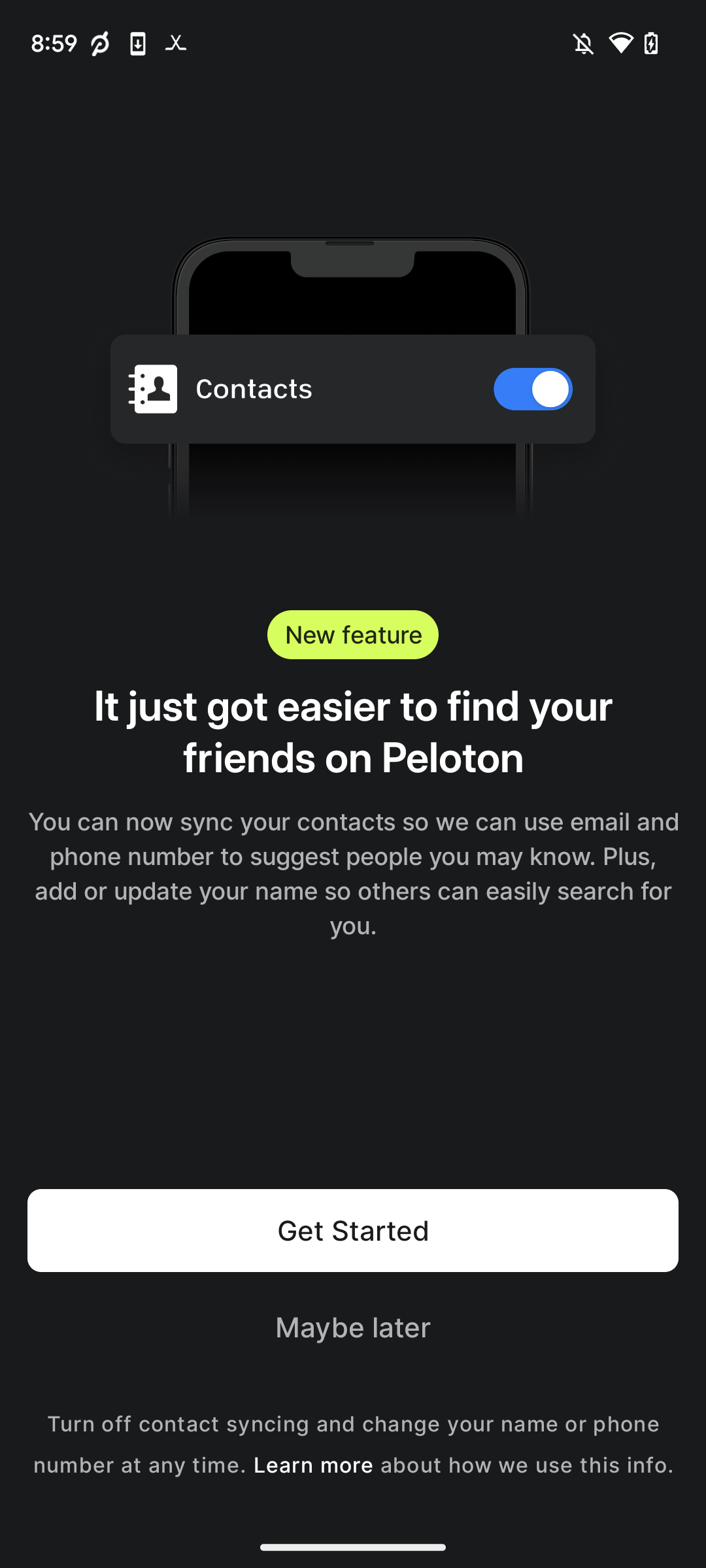
It then guides members to adjust their name if they want, and directs them to the support page detailing more information about the updated find friends feature.
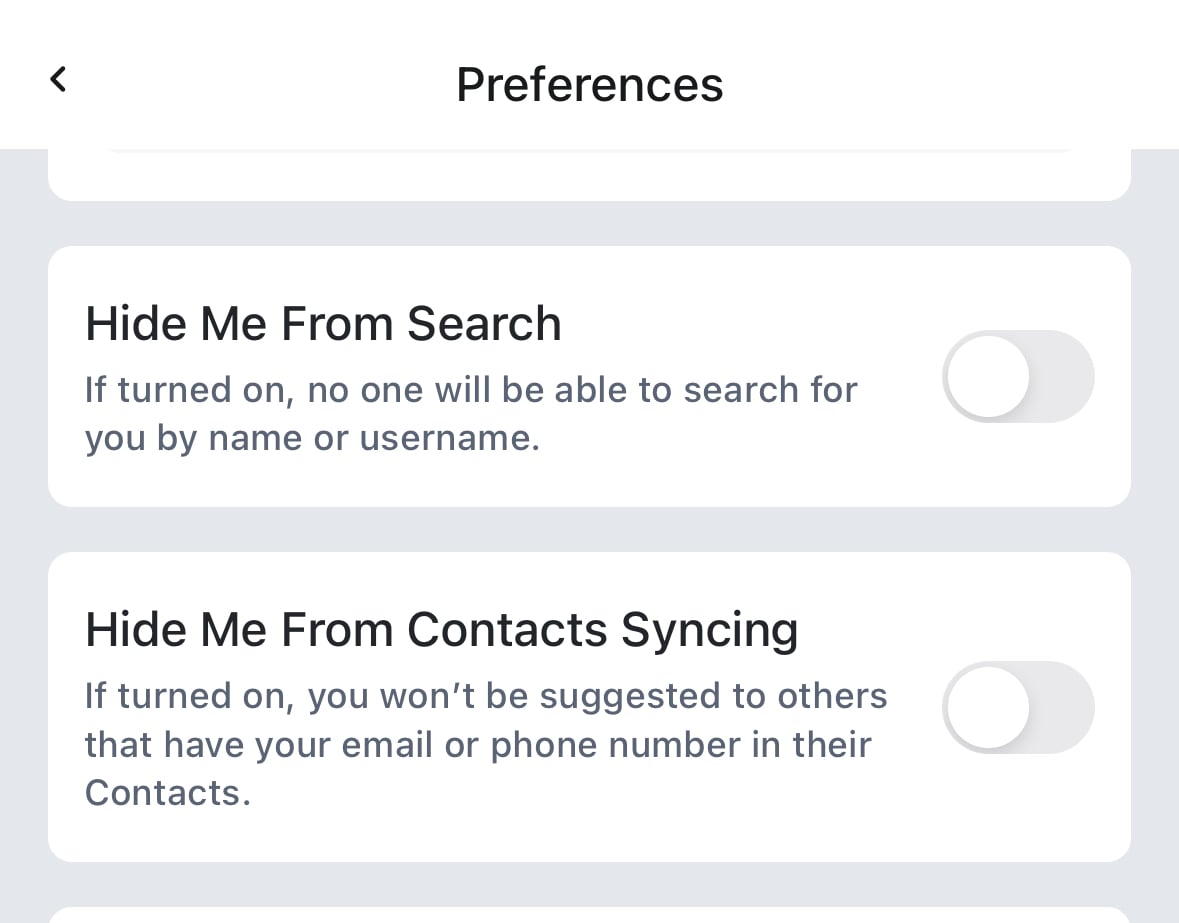
If you log into the Peloton app, you can now hide your account from search (unfortunately, at this time you can’t hide only your real name and keep your leaderboard name in search – you have to hide both), or you can choose to change your first & last name in the app. Either of these changes will make it so you can’t be found by your real name. You can also change a toggle to make it so you can’t be found via your phone number or email address through the contact syncing feature.
You can adjust these settings, and opt out, in the Peloton app by navigating to your profile, clicking into Preferences, and adjusting the privacy settings.
Unfortunately, many people likely glazed over this, didn’t read the email, didn’t understand the implications, or simply haven’t had time to make the changes.
What do these changes mean in practice? One: You can now find people you couldn’t before. If you are looking for a person with a unique name, you can likely find them on the leaderboard. For example, Peloton’s new interim co-CEO Chris Bruzzo hasn’t mentioned in recent interviews what his leaderboard name is. However, members can now go search “Chris Bruzzo” in the app to fairly easily find out what his username is (of course, it is not known at this time if Chris Bruzzo chose to leave his settings as visible on purpose and is fine being found, or hasn’t had time to adjust his privacy settings yet).
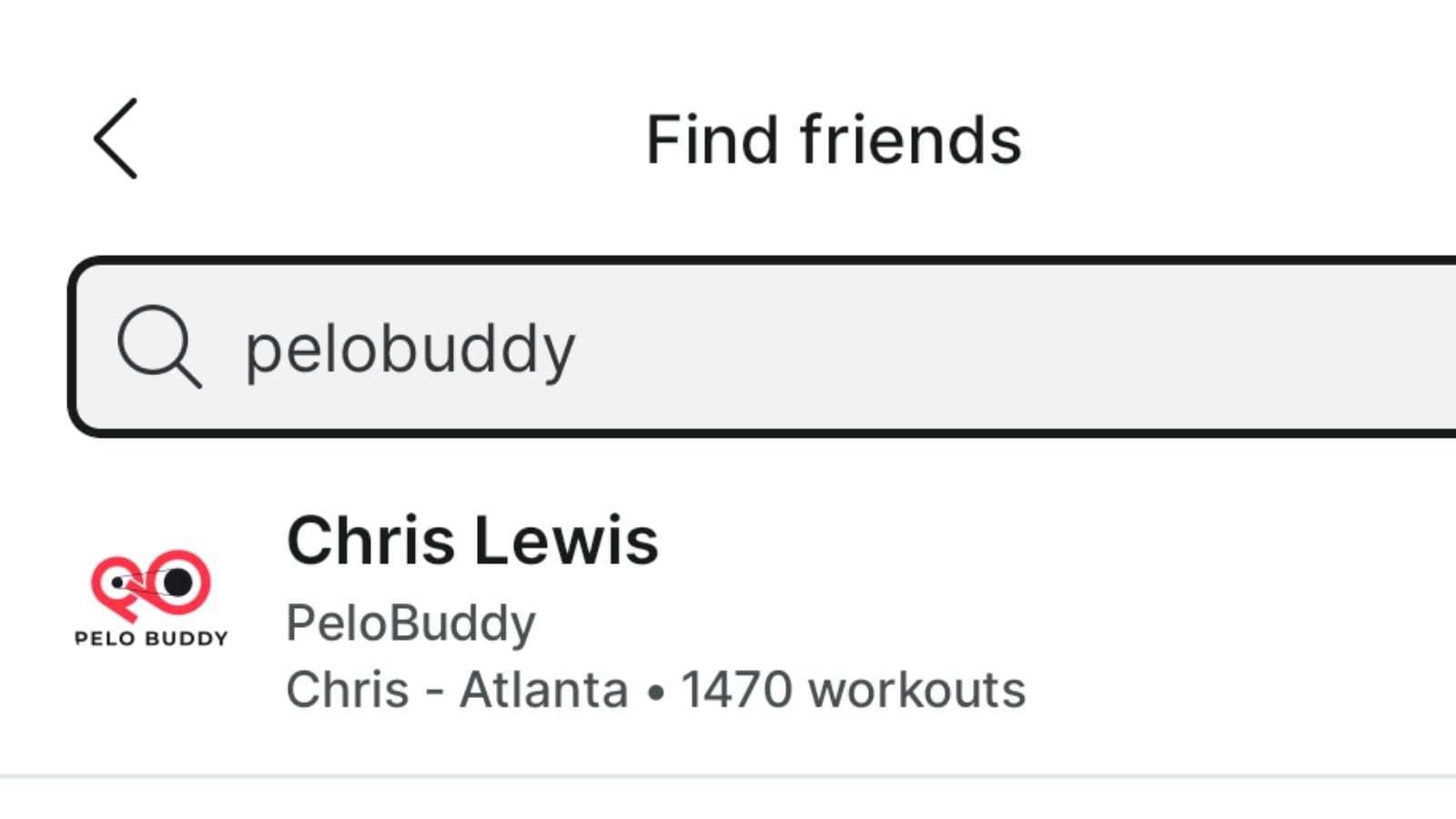
Two: You can now also find the real names of other members easily. Now, if you search for their username, the results show both the real name & leaderboard name. For example: searching for “PeloBuddy” on the leaderboard quickly surfaces our account, and shows that the real person behind it is Chris Lewis (the author of this article, used with permission). Since we did not choose to explicitly opt out of the new search features, or change our name in the system, our name is now shown in searches for the account.
The right move here, in our opinion, would have been for Peloton to make these new features opt-in, instead of opt-out for every existing user. In other words – Peloton could have made it so that unless members explicitly logged into their profile and changed a setting, choosing to make their real name visible in search, they could only be found by the username.
Instead, Peloton did the opposite. Every members’ real name is visible in the search, unless they log in and make changes.
One can imagine why Peloton might have implemented this the way they did. If they had made it opt-in: the feature would have been less useful immediately, as only those people who explicitly opted in would show up. This means that, in many cases, the search would work the same way it does now, and most people would still need to know exact leaderboard names in order to find their friends.
Now, with the way it’s implemented, if you know someone who is on the Peloton platform, it is likely that many of them can now be found by simply searching for their name. This immediately makes the platform more social – as you’ll have more connections on the platform, and make it more likely that you stick around if you can find your friends on there.
In our opinion, this choice is being made at the expense of Peloton members’ privacy.
With Peloton having 6+ million user accounts on the platform, it’s likely that millions of them won’t care that their names are visible by default – and be fine with the way this was rolled out. However, that will still leave thousands (hundreds of thousands? millions?) of members who do not wish to have their real names associated with their leaderboard names – or not want to be found by their friends unless they’ve explicitly given them their leaderboard names.
If this feature had been rolled out when the Peloton platform was first launched, that would be one thing – users would know their name could be found via search and change the preferences at the time of signup. However, members have now spent years on the Peloton platform not having their real identifies publicly associated with their accounts.
Given that history – it seems to this one Peloton member that the right move would have been to make it so that these new search features were opt-in for existing accounts (and new accounts could have it turned on by default). Yes, this likely would have meant that you finding your aquaintances would remain slightly more difficult than some might want it to be.
However, having Peloton users have to choose to opt-in to being visible in the updated searches would have side stepped some privacy concerns these changes are sure to raise, as well as potential harassment issues. While Peloton has recently added the ability to block other members and hide leaderboard tags – members shouldn’t have to be using these features as a result of having their personal information exposed and identities revealed on the platform.
Peloton’s privacy policy was updated last week in advance of these new updates rolling out. In it, they make themselves available for members who have questions about Peloton’s privacy practices by saying: “If you have any questions about our privacy practices, this Privacy Policy or would like to contact us or our Data Protection Officer, you can do so by email at privacy@onepeloton.com”
If you have thoughts about these new changes – that would be the proper avenue to let Peloton know about them.
Support the site! Enjoy the news & guides we provide? Help us keep bringing you the news. Pelo Buddy is completely free, but you can help support the site with a one-time or monthly donation that will go to our writers, editors, and more. Find out more details here.
Get Our Newsletter Want to be sure to never miss any Peloton news? Sign up for our newsletter and get all the latest Peloton updates & Peloton rumors sent directly to your inbox.

Celebs are gonna be PISSED. Just found a ton of them with a simple search, including one of the former white house occupants.
Thanks for calling this out, have updated my settings. Such a poor experience from peloton to make this opt-out.
I have never given the app my full name, only my first name and even then, it’s a nickname. I don’t disagree with the opinion of the article, but I also think it’s important to point out that people have control over their personal information (to a degree of course.